
Effective Strategies to Keep Weeds at Bay
Gardening enthusiasts often face the persistent challenge of weeds. These unwanted plants compete with your flowers and vegetables for nutrients, water, and sunlight. Controlling them is essential for a thriving garden. One of the most effective methods is using layers of natural or synthetic material on the soil surface. This process not only suppresses weed growth but also provides other benefits. Let’s explore some top strategies to help you maintain a beautiful and healthy garden.
Understanding How It Works
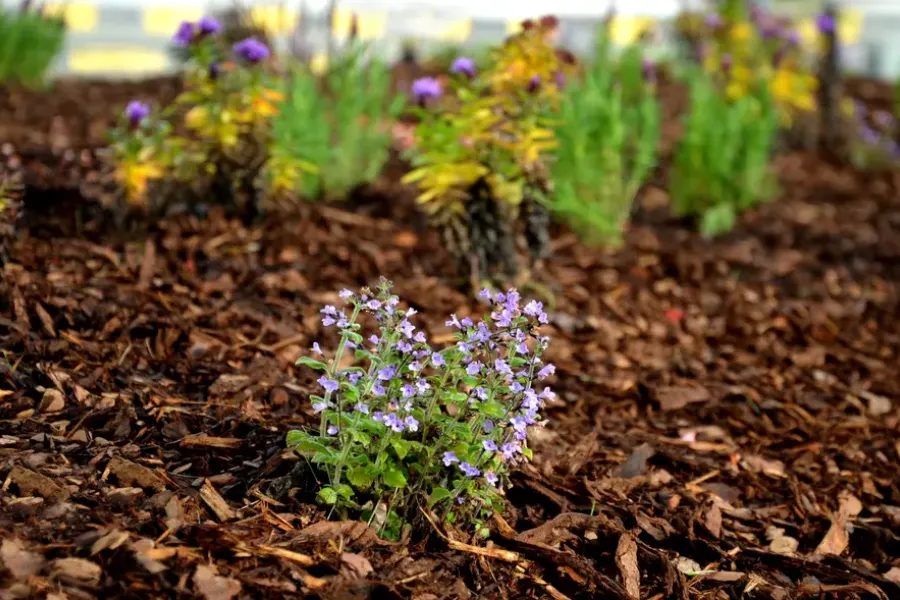
The concept involves covering the soil with organic or inorganic materials. By doing this, you prevent sunlight from reaching weed seeds in the ground, thus stopping them from germinating. Moreover, it helps retain moisture and regulate soil temperature. This method can lead to healthier plants and fewer pests in your garden.
Choosing the Right Material
mulching requires selecting appropriate materials based on your garden’s needs. Organic options like wood chips, straw, or pine needles decompose over time, enriching the soil with nutrients. In contrast, inorganic choices such as plastic sheeting or stones do not break down and are ideal for long-term coverage. Consider your garden’s specific requirements when deciding which material to use.
Application Techniques
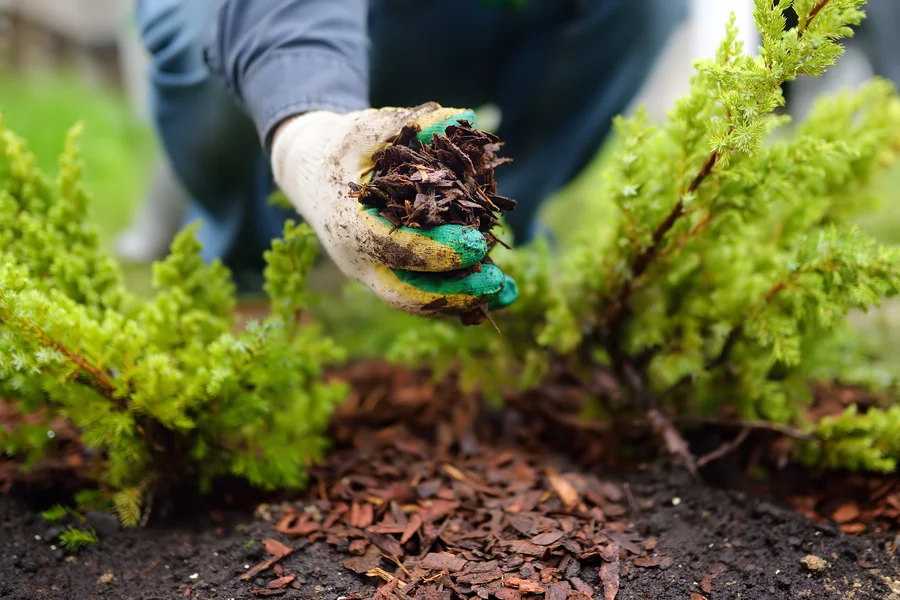
Proper application is key when mulching. First, remove any existing weeds from the area where you’ll apply the cover. This ensures they don’t continue growing underneath. Next, lay a layer approximately 2-4 inches thick across the soil surface, ensuring even coverage without smothering plant stems. This balance promotes effective weed control while allowing plants to thrive.
Advantages Beyond Weed Suppression
This technique offers numerous benefits aside from controlling unwelcome plants:
- Retains soil moisture, reducing watering frequency
- Moderates soil temperature by protecting roots from extreme heat or cold
- Prevents soil erosion during heavy rains
- Improves soil structure as organic materials decompose
Common Challenges to Anticipate
While beneficial, there are challenges associated with this gardening practice. If applied too thickly, it can deprive plant roots of oxygen, leading to poor growth. Additionally, certain types can attract pests if not properly maintained or replaced regularly. It’s crucial to monitor your garden and adjust practices accordingly.
Expert Tips for Success
To maximize effectiveness, consider these expert recommendations:
- Select materials compatible with your climate and plants
- Inspect your garden periodically for signs of compacting or pest issues
- Replace organic covers annually to maintain effectiveness
- Avoid covering plant stems directly to prevent rot
Cost Considerations and Budgeting
The cost of maintaining a weed-free garden varies based on materials chosen and garden size. Organic options may require more frequent replacement but offer added nutrient benefits. In contrast, inorganic choices tend to be more cost-effective over time due to their durability. When budgeting, assess long-term savings against upfront costs.
Final Recommendations for a Lush Garden
You have learned several strategies to enhance your garden through proper covering techniques. Implement these tips for better weed management and improved plant health. For tailored advice and services, reach out to Leon Landscaping & Construction LLC today at (425) 232-4606. Based in Monroe, WA, I am committed to helping you achieve a flourishing garden.